AI on five levels
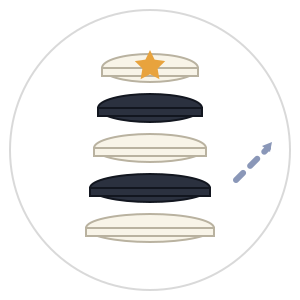
From beginner to master: the engine searches with an evaluation of column heights and officers – and plays fairly, on time.
Emanuel Lasker · 1911
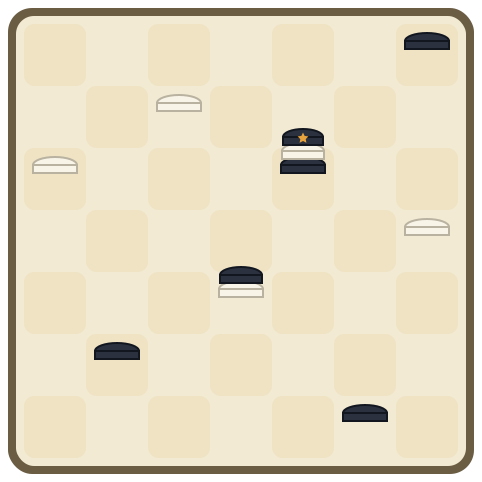
The strategy game by World Chess Champion Emanuel Lasker (1911): capturing is compulsory, captured men become columns – and every column can change sides. Play against the AI, online against humans or face to face.
Free, no downloads – right in your browser.
From beginner to master: the engine searches with an evaluation of column heights and officers – and plays fairly, on time.
Lobby matchmaking, chess clock, draw offers and rematches – games are rated with Elo.
Hotseat right in the browser, no account needed. With take-back and full rule checking.
Starting rating of 1000 Elo, game history with replay – track your progress across every game.
Five minutes of rules, a lifetime of tactics: forced capture and columns create surprising twists.
Lasca was devised in 1911 by Emanuel Lasker, the second World Chess Champion, from English draughts and the Russian tower variant Bashni. His goal: a draughts game without dull draws – and with columns that can change owners in the middle of the fight.
"I have invented a game that unites the spirit of draughts with the depth of chess."
Free, no downloads – right in your browser.